
News Categories
2026-08-20
2026 Energy Storage Market Trends: What Europe Means for Battery & ESS Suppliers
The global energy storage market is entering a new phase of rapid transformation.
In 2026, battery manufacturers, system integrators, distributors and installers are facing a combination of changing regulations, evolving energy policies, shifting supply-chain costs and rapidly growing demand for residential and commercial energy storage.
For energy storage companies targeting Europe, the message is clear: compliance, product flexibility, supply-chain stability and localized market strategies are becoming just as important as battery performance and price.
At BST ESS, we are closely monitoring these developments to understand how they may reshape the European energy storage market and create new opportunities for OEM, ODM and customized energy storage solutions.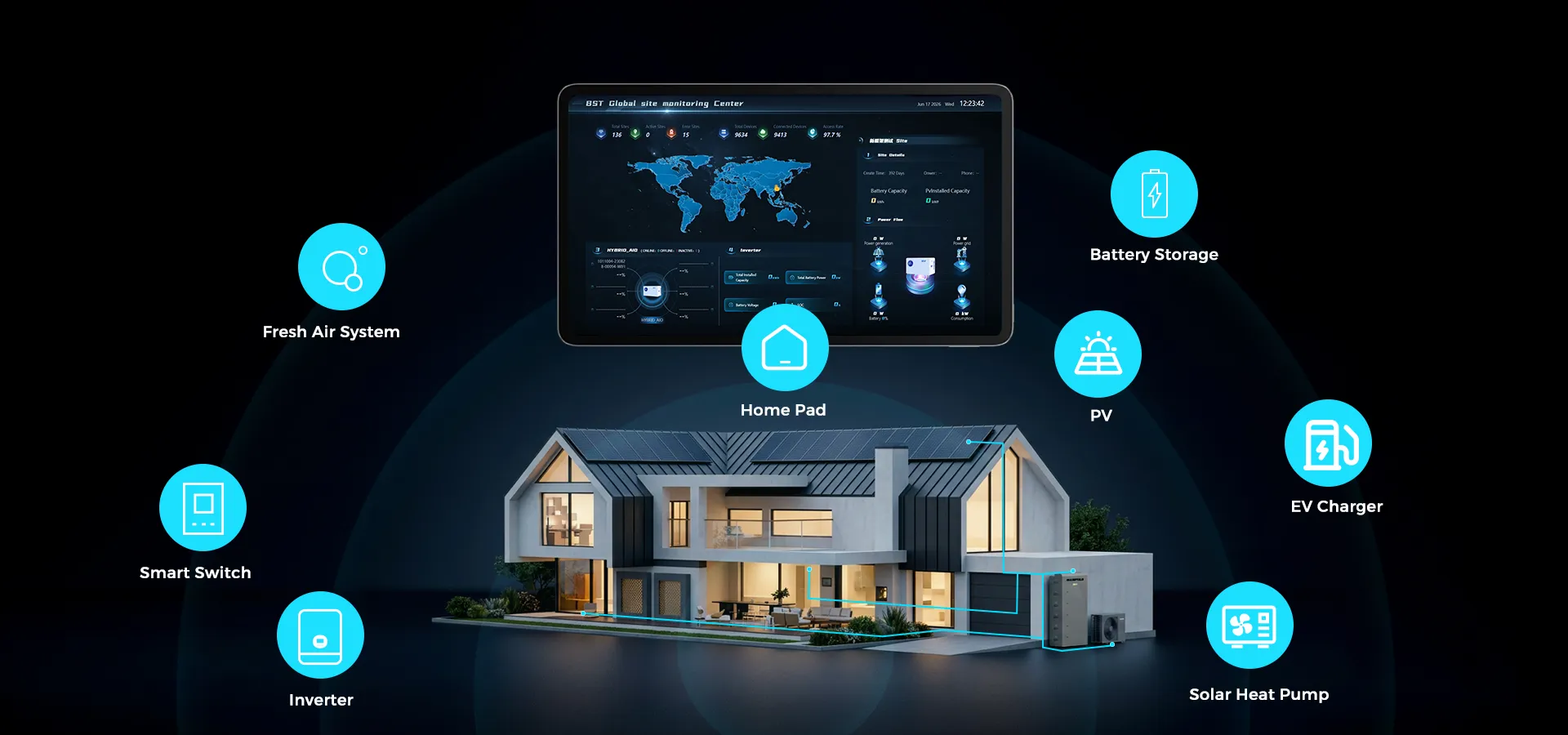
1. EU Battery Regulation Enters a More Critical Compliance Stage
One of the most important developments for battery manufacturers exporting to Europe is the continued implementation of the EU Batteries Regulation.
From 18 August 2026, applicable batteries must meet additional labelling and information requirements under the regulation. For certain rechargeable batteries, capacity information must also be provided on the label.
From 18 February 2027, QR-code requirements will become applicable, including access to the battery passport for industrial batteries above 2 kWh and other relevant battery categories.
The European Commission also identifies home storage batteries and industrial batteries among the product categories affected by the battery passport framework. The passport is designed to provide information covering
areas such as technical characteristics, manufacturer information, performance, durability, sustainability and circularity.
For battery suppliers, this means compliance is moving beyond traditional certifications.
Manufacturers increasingly need to prepare:
-
Accurate product identification and technical data
-
Traceability information
-
Sustainability and carbon-footprint data
-
Battery lifecycle information
-
Digital product passport data
-
QR-code and digital information infrastructure
What does this mean for BST?
For European OEM and ODM customers, compliance should be considered at the product-development stage rather than added after production.
BST is therefore placing greater emphasis on product data management, traceability, certification and customized battery solutions to help customers prepare
for increasingly demanding European market requirements.
2. China's Battery Export Tax Rebate Is Changing
China has also introduced an important change affecting battery exporters.
According to the Ministry of Finance and State Taxation Administration, the export VAT rebate rate for applicable battery products was reduced from 9% to 6% from April 1, 2026,
and the export VAT rebate for those battery products will be cancelled from January 1, 2027.
This change may increase cost pressure throughout the battery export supply chain.
For overseas buyers, the impact may be reflected in:
-
Battery quotations
-
Component procurement costs
-
Inventory planning
-
Long-term supply agreements
-
Project budgeting
For B2B customers, this makes early procurement planning and stable supplier relationships increasingly important.
Rather than focusing only on the lowest short-term quotation, buyers may increasingly evaluate suppliers based on manufacturing capability, d
elivery reliability, product consistency and long-term cooperation.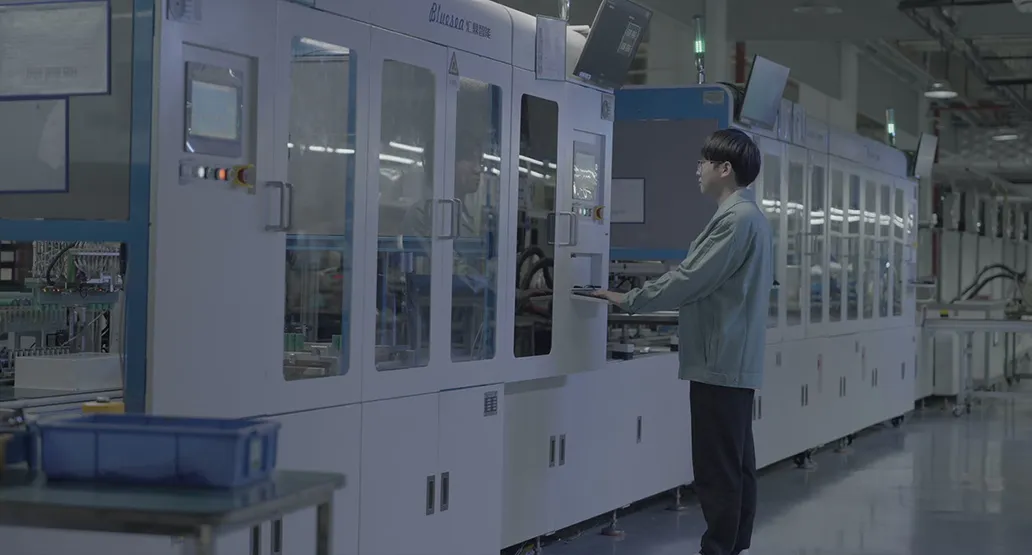
3. European Residential Energy Storage Continues to Gain Momentum
The residential energy storage market remains one of the most attractive segments in Europe.
The fundamental drivers are becoming increasingly clear:
As more European households install photovoltaic systems, maximizing self-consumption becomes increasingly valuable.
Energy storage allows households to store excess solar energy during periods of high PV production and use it later when electricity demand or prices are higher.
This creates opportunities for several product categories:
-
DC-coupled storage
For manufacturers, the market is therefore moving from simply selling “a battery” toward providing complete and adaptable energy solutions.
4. The Netherlands: 2027 Marks an Important Turning Point
The Netherlands is another market worth watching closely.
The Dutch government has confirmed that the salderingsregeling, or net-metering scheme, will end on January 1, 2027. After that date, households will no longer be able to offset electricity fed into the grid against their electricity consumption.
They will still receive compensation for electricity they feed into the grid, with the minimum compensation set at 50% of the basic electricity supply tariff through 2030.
This policy shift changes the economics of residential solar.
Instead of maximizing electricity exported to the grid, homeowners have a stronger incentive to use more of their own solar generation directly.
That creates a natural role for battery storage.
For energy storage companies, the Netherlands therefore represents an important market for:
PV + Battery + Energy Management
The opportunity is not limited to battery capacity. Smart energy management, load optimization and self-consumption are likely to become increasingly important parts of the residential ESS proposition.
5. Europe Is Becoming More Selective About Energy Storage Suppliers
The European market is becoming more competitive.
Large global energy companies and battery manufacturers are expanding their presence across residential, commercial and utility-scale storage.
At the same time, European customers increasingly expect:
-
European certifications
-
Reliable long-term supply
-
Flexible product configurations
-
Localized technical support
-
Stable product quality
-
Software and energy management capabilities
-
OEM/ODM customization
This creates both pressure and opportunity for specialized manufacturers.
Large companies may have advantages in brand awareness and scale, while specialized manufacturers can compete through flexibility, customization, faster product development and B2B cooperation.
This is particularly relevant to OEM and ODM customers looking to launch their own residential energy storage products.
6. OEM/ODM Is Becoming More Important in the European Market
As the energy storage market matures, many distributors, installers and energy companies want to build their own product portfolios rather than simply resell standardized products.
This is driving demand for customized ESS solutions.
Customers may require customization across:
-
Battery capacity
-
System architecture
-
Enclosure design
-
Communication protocols
-
Inverter compatibility
-
BMS configuration
-
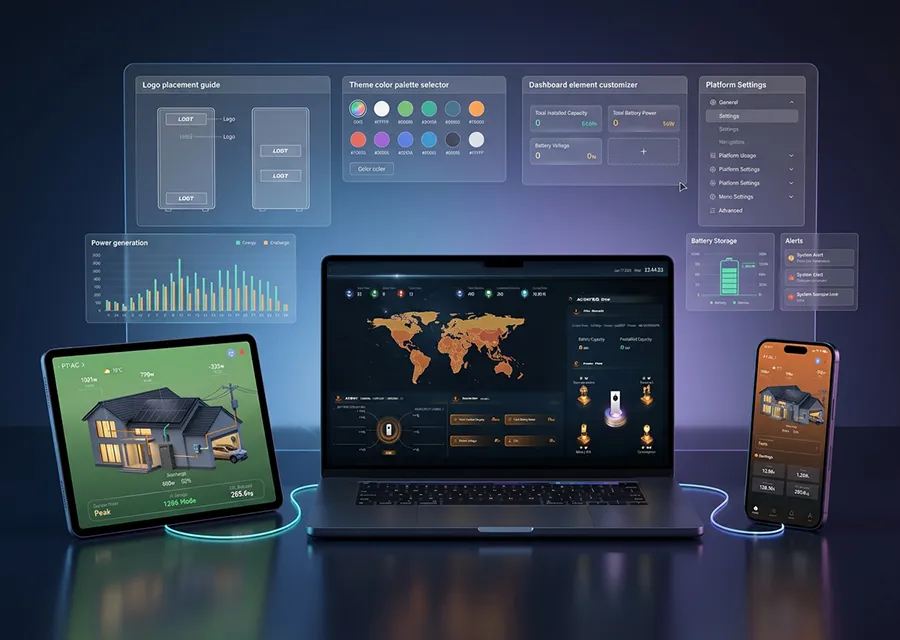
Monitoring platform
-
Branding
-
Packaging
-
Certification
-
User interface
For these customers, the value of a battery manufacturer is no longer determined by cell price alone.
The key question becomes:
Can the manufacturer turn a technical concept into a reliable, market-ready energy storage product?
This is where OEM/ODM capabilities become increasingly important.
7. The Market Is Moving From “Battery Supply” to “Energy System Solutions”
Another important trend is the increasing integration of hardware, software and energy management.
Modern residential ESS is no longer simply a battery connected to an inverter.
A complete system may include:
PV → Inverter → Battery → Home Loads → EV Charger → Heat Pump → Grid → Energy Management Platform
The ability to intelligently coordinate these components can improve self-consumption, reduce electricity costs and create additional flexibility.
This is also why energy management platforms and smart control are becoming increasingly important competitive factors in the European market.
8. What These Changes Mean for Energy Storage Buyers
For distributors, installers and energy companies, 2026 is an important year to review their supply-chain strategy.
Instead of evaluating suppliers only by price per kWh, buyers should consider at least five factors:
1. Compliance
Can the supplier provide the certifications, technical documentation and data required for the target market?
2. Product flexibility
Can the manufacturer provide different capacities, configurations and communication protocols?
3. Supply stability
Can the supplier maintain consistent quality and delivery when battery prices and raw-material costs fluctuate?
4. Customization capability
Can the supplier support OEM/ODM requirements, including branding, enclosure design, software and system configuration?
5. Long-term cooperation
Can the manufacturer support product upgrades, certification changes and market expansion over multiple years?
These factors can have a much greater impact on the total cost of an energy storage project than the initial battery quotation.
9. BST's Perspective: Europe Remains a Strategic Market
The current market environment presents both challenges and opportunities.
Regulatory requirements are becoming more complex. Supply-chain costs are changing. Competition from major global players is increasing.
At the same time, Europe's transition toward solar self-consumption, electrification and flexible energy systems is creating long-term demand for energy storage.
For BST, the strategic direction is clear:
Focus on reliable products.
Strengthen European compliance.
Support flexible OEM/ODM development.
Build long-term B2B partnerships.
Rather than competing only on battery price, BST aims to support customers with customized residential and energy storage solutions that can be adapted to different markets, applications and business models.
10. Looking Ahead
The next stage of the energy storage market will not simply be about installing more battery capacity.
It will be about building smarter, safer, more traceable and more adaptable energy systems.
For European markets, several trends deserve continued attention:
-
EU battery compliance and digital product passports
-
Residential solar self-consumption
-
Dynamic electricity pricing
-
The growth of home energy storage
-
Balcony solar and storage
-
Energy management systems
-
OEM/ODM demand
-
Supply-chain and battery pricing changes
-
Grid flexibility and virtual power plant applications
-
Increasing competition from global energy storage brands
For manufacturers and buyers alike, the companies that prepare early for these changes will be better positioned to capture the next stage of market growth.
Final Thoughts
2026 is not simply another growth year for energy storage. It is a transition year.
Regulations are becoming more demanding, customers are becoming more sophisticated, and energy storage is moving from a standalone battery product toward an integrated energy solution.
For European businesses looking for reliable and customizable energy storage products, selecting the right manufacturing partner will become increasingly important.
BST ESS is committed to supporting global partners with reliable energy storage products, flexible OEM/ODM capabilities and market-oriented energy solutions.
If you are looking for a customized residential ESS, battery system or OEM/ODM energy storage solution for the European market, contact BST ESS to discuss your project requirements.
Key Sources
-
European Commission — EU Battery Passport and Digital Product Passport framework
-
EUR-Lex — Regulation (EU) 2023/1542 on batteries and waste batteries
-
Ministry of Finance / State Taxation Administration of China — 2026 battery export VAT rebate policy
-
Government of the Netherlands — End of the salderingsregeling from January 1, 2027
The global energy storage market is entering a new phase of rapid transformation.
In 2026, battery manufacturers, system integrators, distributors and installers are facing a combination of changing regulations, evolving energy policies, shifting supply-chain costs and rapidly growing demand for residential and commercial energy storage.
For energy storage companies targeting Europe, the message is clear: compliance, product flexibility, supply-chain stability and localized market strategies are becoming just as important as battery performance and price.
At BST ESS, we are closely monitoring these developments to understand how they may reshape the European energy storage market and create new opportunities for OEM, ODM and customized energy storage solutions.
1. EU Battery Regulation Enters a More Critical Compliance Stage
One of the most important developments for battery manufacturers exporting to Europe is the continued implementation of the EU Batteries Regulation.
From 18 August 2026, applicable batteries must meet additional labelling and information requirements under the regulation. For certain rechargeable batteries, capacity information must also be provided on the label.
From 18 February 2027, QR-code requirements will become applicable, including access to the battery passport for industrial batteries above 2 kWh and other relevant battery categories.
The European Commission also identifies home storage batteries and industrial batteries among the product categories affected by the battery passport framework. The passport is designed to provide information covering
areas such as technical characteristics, manufacturer information, performance, durability, sustainability and circularity.
For battery suppliers, this means compliance is moving beyond traditional certifications.
Manufacturers increasingly need to prepare:
-
Accurate product identification and technical data
-
Traceability information
-
Sustainability and carbon-footprint data
-
Battery lifecycle information
-
Digital product passport data
-
QR-code and digital information infrastructure
What does this mean for BST?
For European OEM and ODM customers, compliance should be considered at the product-development stage rather than added after production.
BST is therefore placing greater emphasis on product data management, traceability, certification and customized battery solutions to help customers prepare
for increasingly demanding European market requirements.
2. China's Battery Export Tax Rebate Is Changing
China has also introduced an important change affecting battery exporters.
According to the Ministry of Finance and State Taxation Administration, the export VAT rebate rate for applicable battery products was reduced from 9% to 6% from April 1, 2026,
and the export VAT rebate for those battery products will be cancelled from January 1, 2027.
This change may increase cost pressure throughout the battery export supply chain.
For overseas buyers, the impact may be reflected in:
-
Battery quotations
-
Component procurement costs
-
Inventory planning
-
Long-term supply agreements
-
Project budgeting
For B2B customers, this makes early procurement planning and stable supplier relationships increasingly important.
Rather than focusing only on the lowest short-term quotation, buyers may increasingly evaluate suppliers based on manufacturing capability, d
elivery reliability, product consistency and long-term cooperation.
3. European Residential Energy Storage Continues to Gain Momentum
The residential energy storage market remains one of the most attractive segments in Europe.
The fundamental drivers are becoming increasingly clear:
As more European households install photovoltaic systems, maximizing self-consumption becomes increasingly valuable.
Energy storage allows households to store excess solar energy during periods of high PV production and use it later when electricity demand or prices are higher.
This creates opportunities for several product categories:
-
DC-coupled storage
For manufacturers, the market is therefore moving from simply selling “a battery” toward providing complete and adaptable energy solutions.
4. The Netherlands: 2027 Marks an Important Turning Point
The Netherlands is another market worth watching closely.
The Dutch government has confirmed that the salderingsregeling, or net-metering scheme, will end on January 1, 2027. After that date, households will no longer be able to offset electricity fed into the grid against their electricity consumption.
They will still receive compensation for electricity they feed into the grid, with the minimum compensation set at 50% of the basic electricity supply tariff through 2030.
This policy shift changes the economics of residential solar.
Instead of maximizing electricity exported to the grid, homeowners have a stronger incentive to use more of their own solar generation directly.
That creates a natural role for battery storage.
For energy storage companies, the Netherlands therefore represents an important market for:
PV + Battery + Energy Management
The opportunity is not limited to battery capacity. Smart energy management, load optimization and self-consumption are likely to become increasingly important parts of the residential ESS proposition.
5. Europe Is Becoming More Selective About Energy Storage Suppliers
The European market is becoming more competitive.
Large global energy companies and battery manufacturers are expanding their presence across residential, commercial and utility-scale storage.
At the same time, European customers increasingly expect:
-
European certifications
-
Reliable long-term supply
-
Flexible product configurations
-
Localized technical support
-
Stable product quality
-
Software and energy management capabilities
-
OEM/ODM customization
This creates both pressure and opportunity for specialized manufacturers.
Large companies may have advantages in brand awareness and scale, while specialized manufacturers can compete through flexibility, customization, faster product development and B2B cooperation.
This is particularly relevant to OEM and ODM customers looking to launch their own residential energy storage products.
6. OEM/ODM Is Becoming More Important in the European Market
As the energy storage market matures, many distributors, installers and energy companies want to build their own product portfolios rather than simply resell standardized products.
This is driving demand for customized ESS solutions.
Customers may require customization across:
-
Battery capacity
-
System architecture
-
Enclosure design
-
Communication protocols
-
Inverter compatibility
-
BMS configuration
-
Monitoring platform
-
Branding
-
Packaging
-
Certification
-
User interface
For these customers, the value of a battery manufacturer is no longer determined by cell price alone.
The key question becomes:
Can the manufacturer turn a technical concept into a reliable, market-ready energy storage product?
This is where OEM/ODM capabilities become increasingly important.
7. The Market Is Moving From “Battery Supply” to “Energy System Solutions”
Another important trend is the increasing integration of hardware, software and energy management.
Modern residential ESS is no longer simply a battery connected to an inverter.
A complete system may include:
PV → Inverter → Battery → Home Loads → EV Charger → Heat Pump → Grid → Energy Management Platform
The ability to intelligently coordinate these components can improve self-consumption, reduce electricity costs and create additional flexibility.
This is also why energy management platforms and smart control are becoming increasingly important competitive factors in the European market.
8. What These Changes Mean for Energy Storage Buyers
For distributors, installers and energy companies, 2026 is an important year to review their supply-chain strategy.
Instead of evaluating suppliers only by price per kWh, buyers should consider at least five factors:
1. Compliance
Can the supplier provide the certifications, technical documentation and data required for the target market?
2. Product flexibility
Can the manufacturer provide different capacities, configurations and communication protocols?
3. Supply stability
Can the supplier maintain consistent quality and delivery when battery prices and raw-material costs fluctuate?
4. Customization capability
Can the supplier support OEM/ODM requirements, including branding, enclosure design, software and system configuration?
5. Long-term cooperation
Can the manufacturer support product upgrades, certification changes and market expansion over multiple years?
These factors can have a much greater impact on the total cost of an energy storage project than the initial battery quotation.
9. BST's Perspective: Europe Remains a Strategic Market
The current market environment presents both challenges and opportunities.
Regulatory requirements are becoming more complex. Supply-chain costs are changing. Competition from major global players is increasing.
At the same time, Europe's transition toward solar self-consumption, electrification and flexible energy systems is creating long-term demand for energy storage.
For BST, the strategic direction is clear:
Focus on reliable products.
Strengthen European compliance.
Support flexible OEM/ODM development.
Build long-term B2B partnerships.
Rather than competing only on battery price, BST aims to support customers with customized residential and energy storage solutions that can be adapted to different markets, applications and business models.
10. Looking Ahead
The next stage of the energy storage market will not simply be about installing more battery capacity.
It will be about building smarter, safer, more traceable and more adaptable energy systems.
For European markets, several trends deserve continued attention:
-
EU battery compliance and digital product passports
-
Residential solar self-consumption
-
Dynamic electricity pricing
-
The growth of home energy storage
-
Balcony solar and storage
-
Energy management systems
-
OEM/ODM demand
-
Supply-chain and battery pricing changes
-
Grid flexibility and virtual power plant applications
-
Increasing competition from global energy storage brands
For manufacturers and buyers alike, the companies that prepare early for these changes will be better positioned to capture the next stage of market growth.
Final Thoughts
2026 is not simply another growth year for energy storage. It is a transition year.
Regulations are becoming more demanding, customers are becoming more sophisticated, and energy storage is moving from a standalone battery product toward an integrated energy solution.
For European businesses looking for reliable and customizable energy storage products, selecting the right manufacturing partner will become increasingly important.
BST ESS is committed to supporting global partners with reliable energy storage products, flexible OEM/ODM capabilities and market-oriented energy solutions.
If you are looking for a customized residential ESS, battery system or OEM/ODM energy storage solution for the European market, contact BST ESS to discuss your project requirements.
Key Sources
-
European Commission — EU Battery Passport and Digital Product Passport framework
-
EUR-Lex — Regulation (EU) 2023/1542 on batteries and waste batteries
-
Ministry of Finance / State Taxation Administration of China — 2026 battery export VAT rebate policy
-
Government of the Netherlands — End of the salderingsregeling from January 1, 2027

Copyright © 2026 BST POWER. All rights reserved.