
News Categories
2025-08-08
Smart Home Integration: How Energy Storage Systems Power Modern Living
I. Introduction: Why Smart Homes and Energy Storage Are the Future
In 2025, the world is facing a perfect storm of energy challenges. Electricity prices keep rising, especially in Europe and parts of the U.S. Extreme weather events are causing more frequent power outages. At the same time, governments are pushing for a low-carbon future.
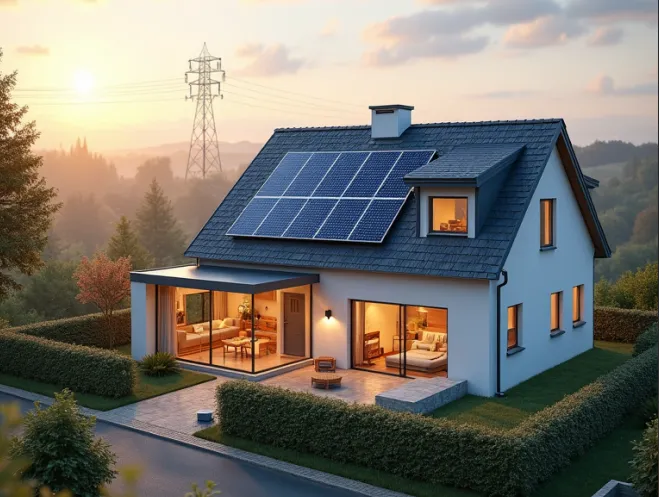
For homeowners and businesses, the solution is clear: smarter energy use. Smart home technology is no longer about just controlling lights or security cameras. It’s about managing energy — and that’s where energy storage systems (ESS) play a key role.
When paired with solar panels and a smart home platform, an ESS can store energy when it’s cheap or free, then release it when prices are high. It can also power your home during outages. This combination is transforming the way we live, making homes more independent, efficient, and resilient.
II. Understanding Smart Home Integration
Smart Home Integration means connecting different devices and systems in your home so they can communicate and work together automatically.
In the energy world, this includes:
- IoT (Internet of Things) devices: Smart meters, thermostats, EV chargers
- AI algorithms: Predicting your household energy use patterns
- HEMS (Home Energy Management Systems): Software that controls when and how your home uses stored power
For example, your smart home might automatically charge your battery at night when electricity is cheaper, then use that stored power during the day to avoid peak rates. This is seamless and requires no manual action from you.
III. The Role of Energy Storage Systems in Modern Homes
An Energy Storage System (ESS) for homes usually includes:
- Battery modules (often lithium iron phosphate – LiFePO4 – for safety and long life)
- Inverter (to convert DC battery power into AC for home use)
- BMS (Battery Management System) to protect and optimize battery performance
- Monitoring software to track usage and savings
Key functions of an ESS in a smart home:
- Solar + Storage – Capture excess solar energy during the day for later use
- Peak Shaving – Use stored power when grid electricity is expensive
- Backup Power – Keep lights, Wi-Fi, and appliances running during outages
- Grid Services – Sell stored energy back to the grid in some markets
IV. Market Trends and User Demand in 2025
The global residential energy storage market is expanding fast. According to BloombergNEF, installations in Europe and the U.S. are hitting record highs due to:
- Higher electricity prices: In Germany, household electricity costs have risen over 35% since 2020.
- Government incentives: The U.S. Inflation Reduction Act offers up to 30% tax credits for home battery systems.
- Energy independence: Homeowners want less reliance on volatile grid prices.
- Sustainability goals: Reducing personal carbon footprints.
From a user’s point of view, these systems are no longer a luxury — they’re a necessity for both financial and environmental reasons.
V. How Smart Homes and Energy Storage Work Together
Imagine a typical day in a smart home with energy storage:
- Morning – Your home uses stored energy from the night to run appliances at a low cost.
- Daytime – Solar panels charge the battery while also powering the home.
- Evening – The battery discharges during peak pricing hours, saving you from high bills.
- Blackout – The system automatically switches to backup mode, keeping your essentials running.
Integration goes further:
- Smart thermostats adjust heating/cooling based on battery charge.
- EV chargers prioritize charging when solar power is abundant.
- AI predicts tomorrow’s energy needs and optimizes charging cycles.
VI. Benefits of Smart Home + Energy Storage Integration
1. Lower Energy Bills
Store energy when it’s cheap and use it when it’s expensive.
2. Energy Security
Keep your home running during outages caused by storms or grid failures.
3. Environmental Impact
Reduce reliance on fossil fuel-generated electricity.
4. Lifestyle Convenience
Automation means you don’t have to think about when to charge or use power — the system does it for you.
VII. Choosing the Right Energy Storage for Your Smart Home
When selecting a home battery system, consider:
- Battery Chemistry: LiFePO4 batteries are safer, longer-lasting, and more temperature-resistant than NMC in most home applications.
- Capacity: Measured in kWh. A typical home might need 10–15 kWh to cover essentials.
- Installation Environment: Indoor vs. outdoor, weatherproofing (IP65+ recommended for outdoor units).
- Compatibility: Ensure the battery works with your inverter and smart home platform.
Tip for Businesses: Offer modular designs so customers can expand capacity over time.
VIII. Case Studies: Smart Homes Powered by Energy Storage
North America – A family in California cut their annual electricity bill by 30% after installing a 12 kWh LiFePO4 battery with solar integration.
Europe – A German homeowner participates in a Virtual Power Plant (VPP) program, selling stored energy back to the grid during peak demand for extra income.
Asia-Pacific – In rural Australia, an off-grid property uses a 20 kWh system to live fully independent from the utility grid.
IX. Future Outlook: The Next Generation of Smart Home Energy
- AI-driven energy trading: Your home will buy and sell power automatically based on market prices.
- Microgrids: Neighborhoods sharing stored energy for greater resilience.
- EV Integration: Vehicle-to-Home (V2H) and Vehicle-to-Grid (V2G) becoming standard.
X. Conclusion
Smart homes and energy storage systems are redefining modern living. They save money, protect against outages, and reduce environmental impact. For homeowners, the investment pays off in both comfort and long-term savings. For businesses, offering integrated solutions is the key to staying competitive in a fast-changing energy market.

FAQ Section
Q1: What is smart home integration with energy storage?
It’s the connection of home energy devices, like solar panels and batteries, to a central system that automatically manages energy use for efficiency and savings.
Q2: How does a home battery work with solar panels?
The battery stores excess solar energy during the day and powers the home when sunlight is low or prices are high.
Q3: Is energy storage worth it for smart homes?
Yes. It reduces bills, increases independence, and provides backup during outages.
Q4: What are the best batteries for smart homes in 2025?
LiFePO4 batteries are favored for safety, lifespan (up to 6,000 cycles), and efficiency.
Q5: Can I add energy storage to my existing smart home?
Yes, most modern systems can integrate with existing smart devices and inverters.
I. Introduction: Why Smart Homes and Energy Storage Are the Future
In 2025, the world is facing a perfect storm of energy challenges. Electricity prices keep rising, especially in Europe and parts of the U.S. Extreme weather events are causing more frequent power outages. At the same time, governments are pushing for a low-carbon future.
For homeowners and businesses, the solution is clear: smarter energy use. Smart home technology is no longer about just controlling lights or security cameras. It’s about managing energy — and that’s where energy storage systems (ESS) play a key role.
When paired with solar panels and a smart home platform, an ESS can store energy when it’s cheap or free, then release it when prices are high. It can also power your home during outages. This combination is transforming the way we live, making homes more independent, efficient, and resilient.
II. Understanding Smart Home Integration
Smart Home Integration means connecting different devices and systems in your home so they can communicate and work together automatically.
In the energy world, this includes:
- IoT (Internet of Things) devices: Smart meters, thermostats, EV chargers
- AI algorithms: Predicting your household energy use patterns
- HEMS (Home Energy Management Systems): Software that controls when and how your home uses stored power
For example, your smart home might automatically charge your battery at night when electricity is cheaper, then use that stored power during the day to avoid peak rates. This is seamless and requires no manual action from you.
III. The Role of Energy Storage Systems in Modern Homes
An Energy Storage System (ESS) for homes usually includes:
- Battery modules (often lithium iron phosphate – LiFePO4 – for safety and long life)
- Inverter (to convert DC battery power into AC for home use)
- BMS (Battery Management System) to protect and optimize battery performance
- Monitoring software to track usage and savings
Key functions of an ESS in a smart home:
- Solar + Storage – Capture excess solar energy during the day for later use
- Peak Shaving – Use stored power when grid electricity is expensive
- Backup Power – Keep lights, Wi-Fi, and appliances running during outages
- Grid Services – Sell stored energy back to the grid in some markets
IV. Market Trends and User Demand in 2025
The global residential energy storage market is expanding fast. According to BloombergNEF, installations in Europe and the U.S. are hitting record highs due to:
- Higher electricity prices: In Germany, household electricity costs have risen over 35% since 2020.
- Government incentives: The U.S. Inflation Reduction Act offers up to 30% tax credits for home battery systems.
- Energy independence: Homeowners want less reliance on volatile grid prices.
- Sustainability goals: Reducing personal carbon footprints.
From a user’s point of view, these systems are no longer a luxury — they’re a necessity for both financial and environmental reasons.
V. How Smart Homes and Energy Storage Work Together
Imagine a typical day in a smart home with energy storage:
- Morning – Your home uses stored energy from the night to run appliances at a low cost.
- Daytime – Solar panels charge the battery while also powering the home.
- Evening – The battery discharges during peak pricing hours, saving you from high bills.
- Blackout – The system automatically switches to backup mode, keeping your essentials running.
Integration goes further:
- Smart thermostats adjust heating/cooling based on battery charge.
- EV chargers prioritize charging when solar power is abundant.
- AI predicts tomorrow’s energy needs and optimizes charging cycles.
VI. Benefits of Smart Home + Energy Storage Integration
1. Lower Energy Bills
Store energy when it’s cheap and use it when it’s expensive.
2. Energy Security
Keep your home running during outages caused by storms or grid failures.
3. Environmental Impact
Reduce reliance on fossil fuel-generated electricity.
4. Lifestyle Convenience
Automation means you don’t have to think about when to charge or use power — the system does it for you.
VII. Choosing the Right Energy Storage for Your Smart Home
When selecting a home battery system, consider:
- Battery Chemistry: LiFePO4 batteries are safer, longer-lasting, and more temperature-resistant than NMC in most home applications.
- Capacity: Measured in kWh. A typical home might need 10–15 kWh to cover essentials.
- Installation Environment: Indoor vs. outdoor, weatherproofing (IP65+ recommended for outdoor units).
- Compatibility: Ensure the battery works with your inverter and smart home platform.
Tip for Businesses: Offer modular designs so customers can expand capacity over time.
VIII. Case Studies: Smart Homes Powered by Energy Storage
North America – A family in California cut their annual electricity bill by 30% after installing a 12 kWh LiFePO4 battery with solar integration.
Europe – A German homeowner participates in a Virtual Power Plant (VPP) program, selling stored energy back to the grid during peak demand for extra income.
Asia-Pacific – In rural Australia, an off-grid property uses a 20 kWh system to live fully independent from the utility grid.
IX. Future Outlook: The Next Generation of Smart Home Energy
- AI-driven energy trading: Your home will buy and sell power automatically based on market prices.
- Microgrids: Neighborhoods sharing stored energy for greater resilience.
- EV Integration: Vehicle-to-Home (V2H) and Vehicle-to-Grid (V2G) becoming standard.
X. Conclusion
Smart homes and energy storage systems are redefining modern living. They save money, protect against outages, and reduce environmental impact. For homeowners, the investment pays off in both comfort and long-term savings. For businesses, offering integrated solutions is the key to staying competitive in a fast-changing energy market.
FAQ Section
Q1: What is smart home integration with energy storage?
It’s the connection of home energy devices, like solar panels and batteries, to a central system that automatically manages energy use for efficiency and savings.
Q2: How does a home battery work with solar panels?
The battery stores excess solar energy during the day and powers the home when sunlight is low or prices are high.
Q3: Is energy storage worth it for smart homes?
Yes. It reduces bills, increases independence, and provides backup during outages.
Q4: What are the best batteries for smart homes in 2025?
LiFePO4 batteries are favored for safety, lifespan (up to 6,000 cycles), and efficiency.
Q5: Can I add energy storage to my existing smart home?
Yes, most modern systems can integrate with existing smart devices and inverters.

Copyright © 2026 BST POWER. All rights reserved.