
News Categories
2026-10-21
Tanzania Elevator Backup Power Project | 122.8kWh BST Power ESS
Tanzania Project Case Study: BST Power Supplies a 122.8kWh Battery Energy Storage Solution for Elevator Control Cabinets
122.8kWh Total Battery Capacity | 72kW Combined Inverter Power | LiFePO₄ Battery Technology
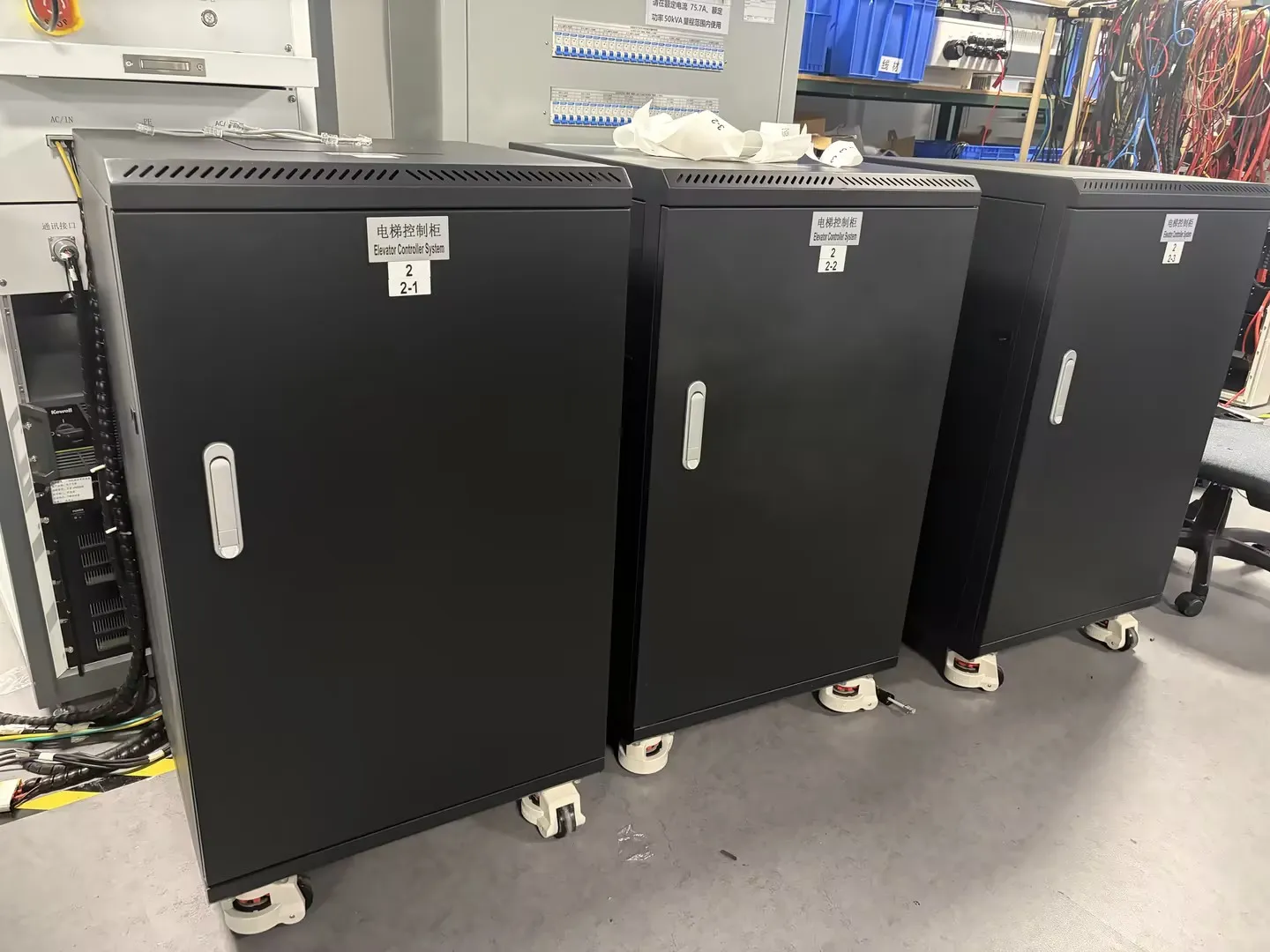
BST Power supplied two battery energy storage systems for an elevator control cabinet application in Tanzania, providing a combined nominal battery capacity of 122.8kWh and a combined inverter power rating of 72kW.
Designed for commercial and industrial backup power applications, the project integrates 51.2V lithium iron phosphate (LiFePO₄) battery systems with three-phase inverter configurations.
The solution is designed to provide off-grid power to compatible connected equipment when the utility grid experiences abnormal conditions or a power outage.
By combining substantial battery storage capacity, coordinated inverter operation and modular cabinet design, BST Power provides a structured energy storage solution tailored to elevator-related electrical equipment and demanding backup power requirements.
1. Project Background: Reliable Backup Power for Elevator Control Cabinets
Elevator control cabinets are an important part of elevator electrical systems, supporting control and associated equipment functions.
An interruption to the normal power supply can affect elevator operation, making appropriate backup power arrangements an important consideration for building operators and equipment integrators.
For this project in Tanzania, BST Power supplied two energy storage systems designed to support the backup power requirements of compatible elevator-related loads.
The project configuration combines 122.8kWh of total nominal battery storage capacity with 72kW of combined inverter power.
The two systems provide a substantial battery-based power reserve that can be evaluated against the site's connected loads and required backup duration.
The solution was configured around several key requirements:
-
Power reliability: Provide three-phase off-grid power during grid abnormalities or power outages.
-
High energy capacity: Combine two 61.4kWh battery systems for 122.8kWh of total nominal storage capacity.
-
Three-phase power output: Use coordinated inverter units to establish a three-phase supply for compatible equipment.
-
Modular installation: Separate battery and inverter equipment into dedicated cabinets.
-
Flexible configuration: Support potential battery capacity expansion subject to system compatibility and electrical design requirements.
2. Project Specifications: Two Energy Storage Systems
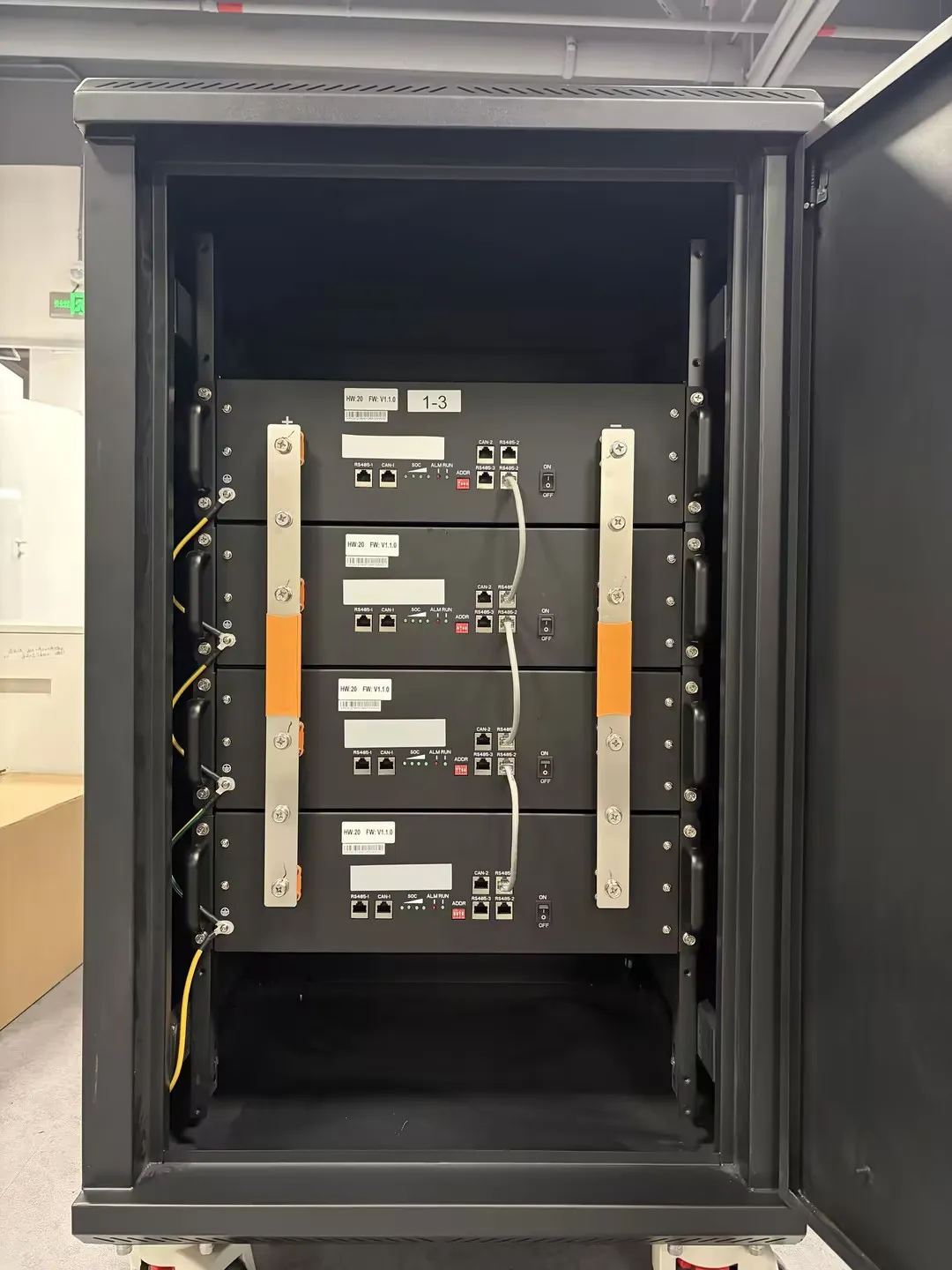
Each system has a nominal battery capacity of 61.4kWh, an inverter power rating of 36kW and a nominal battery voltage of 51.2V.
With two systems supplied, the project has a combined nominal battery capacity of 122.8kWh and a combined inverter power rating of 72kW.
Key Technical Specifications
| Parameter | Per System | Two Systems Combined |
|---|---|---|
| Project location | Tanzania | Tanzania |
| Application | Elevator control cabinet backup power | Elevator control cabinet backup power |
| Number of systems | 1 | 2 |
| Nominal battery capacity | 61.4kWh | 122.8kWh |
| Inverter power rating | 36kW | 72kW combined |
| Nominal battery voltage | 51.2V | 51.2V per system |
| Battery chemistry | LiFePO₄ | LiFePO₄ |
| Battery model | MD-48100-AF | MD-48100-AF |
| Battery quantity | 12 units | 24 units |
| Inverter configuration | 3 × 12kW units | 6 × 12kW units |
| Battery cabinets | 3 | 6 |
| Inverter cabinets | 1 | 2 |
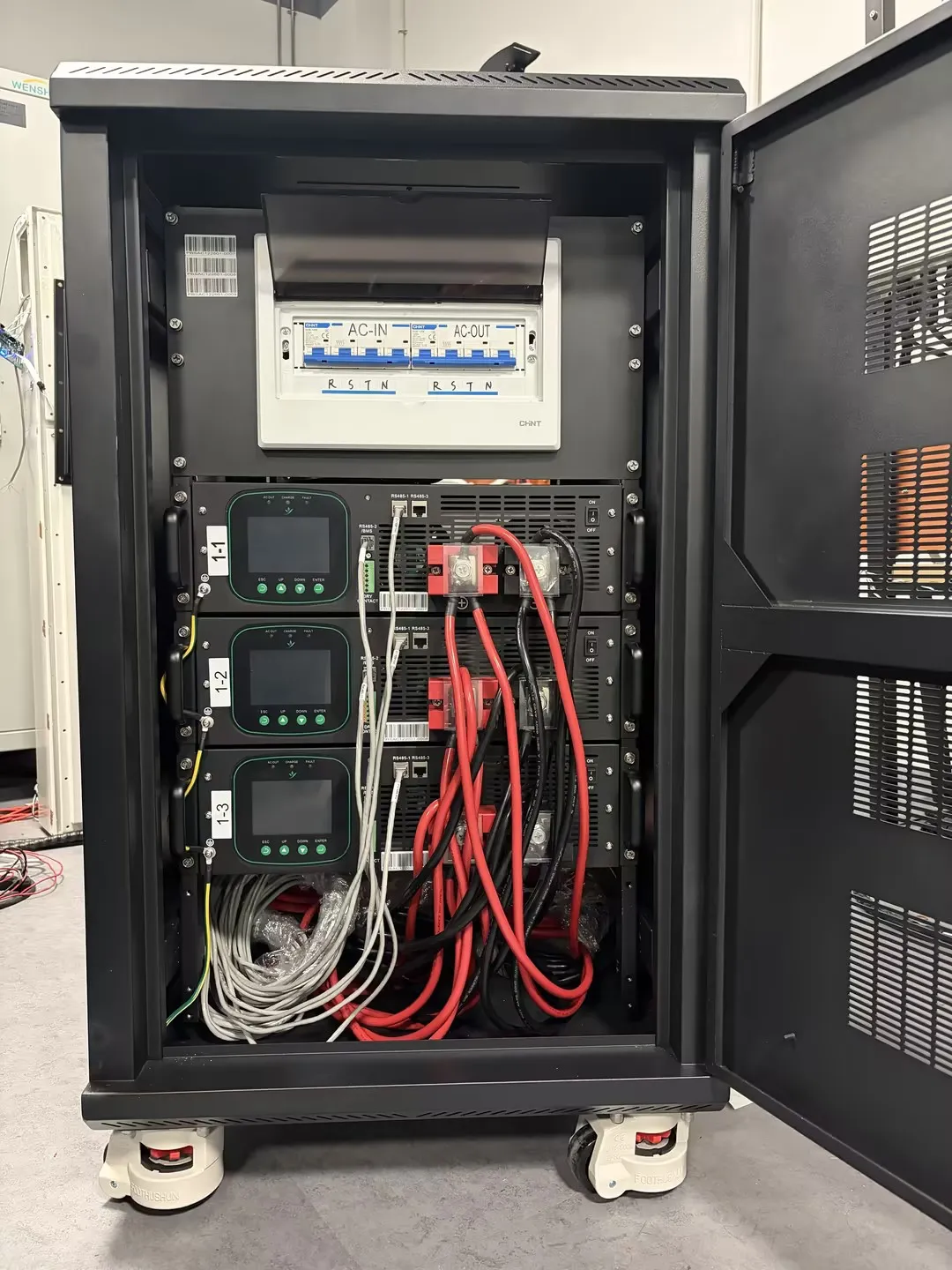
Each system uses three 12kW single-phase inverter units configured to operate as a three-phase system. The battery equipment is arranged in three battery cabinets, with the inverter equipment housed in a separate inverter cabinet.
The combined values above represent the sum of the two systems' individual ratings. They do not necessarily mean that both systems operate as one electrically interconnected 72kW system.
The actual operating arrangement depends on the site's electrical integration and system design.
Explore BST Power's 48V LiFePO₄ Battery Solutions
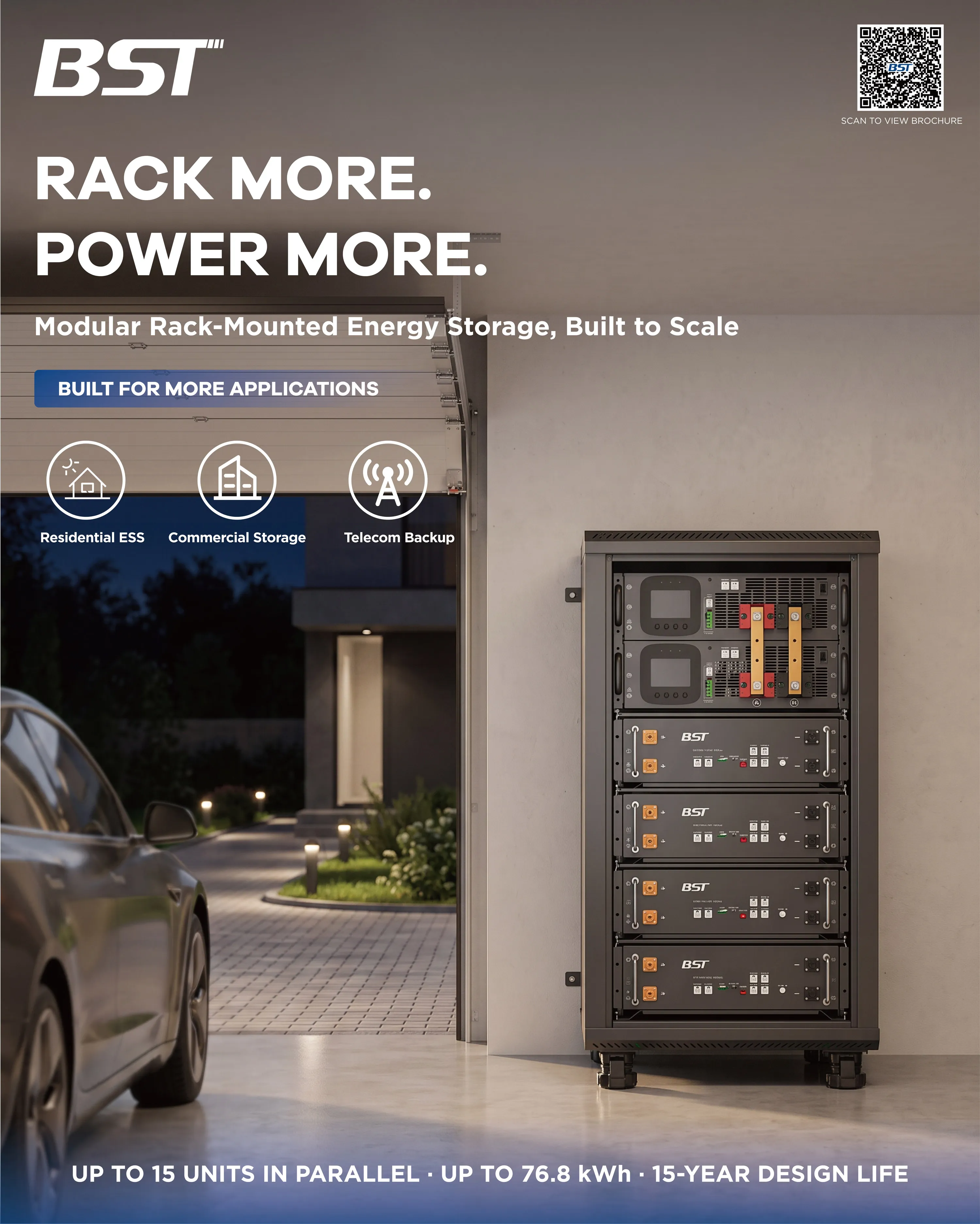
For projects requiring modular battery storage, BST Power also offers the MD48-100-3U 48V 100Ah rack-mounted LiFePO₄ battery.
With 5.12kWh of nominal energy per unit, intelligent BMS protection and RS485/CAN communication, it is designed for residential energy storage, backup power and selected small commercial applications.
Its rack-mounted design and support for parallel connection provide flexibility for compatible battery storage configurations.
Explore the BST Power MD48-100-3U 48V 5.12kWh LiFePO₄ Battery to learn more about its specifications and applications.
3. Three-Phase Inverter Configuration for Elevator Backup Applications
One of the key technical features of this project is the three-phase inverter configuration used in each energy storage system.
Each system consists of three 12kW single-phase inverter units operating in parallel to form a three-phase system.
The individual inverter units are assigned to phases L1, L2 and L3, while their parallel communication interfaces are interconnected to coordinate operation.
The system specification also includes dedicated electrical protection components, including integrated grid input circuit breakers within the inverter units, a three-phase input circuit breaker and a load output circuit breaker.
Neutral and protective earth connections are arranged through the designated terminal blocks.
When the utility grid experiences an abnormal condition or a power outage, each system is designed to provide three-phase off-grid output to compatible connected loads.
For elevator control cabinet applications, this configuration provides a potential backup power source for designated electrical equipment.
Before commissioning, the electrical design must be checked against the elevator system's rated power, motor starting current, transient loads, phase requirements and emergency operating sequence.
The combined inverter rating of 72kW represents the sum of the two systems' individual 36kW ratings.
Actual available output depends on whether the systems operate independently or are integrated into a coordinated electrical arrangement.
Battery backup also does not automatically guarantee elevator rescue or passenger evacuation functions.
Such functions require dedicated engineering and verification against the elevator manufacturer's requirements and applicable safety regulations.
4. LiFePO₄ Battery Technology for Safety and Durability
Battery safety and service life are important considerations for commercial and industrial energy storage applications.
Both systems use lithium iron phosphate (LiFePO₄) battery technology. LiFePO₄ is widely used in stationary energy storage because of its suitability for repeated cycling and its thermal stability characteristics.
According to the supplied product specifications, the battery cells undergo safety tests including burning, extrusion, impact, puncture and overcharge testing.
The specified design life is eight years, with capacity retention above 70% after 3,000 effective cycles under the defined test conditions.
These specifications provide a reference for evaluating the expected service life of the battery systems.
Actual performance depends on operating temperature, charge and discharge rates, depth of discharge, installation conditions and maintenance practices.
For this project, the combined 122.8kWh nominal storage capacity provides a substantial energy reserve for evaluating backup requirements.
The usable energy and actual backup duration must be determined according to the connected load and the battery system's operating limits.
5. Modular Cabinet Design for Installation and Maintenance
The two systems use a cabinet-based architecture that separates battery storage equipment from inverter equipment.
Each system includes three battery cabinets and one inverter cabinet. Across both systems, the specified configuration comprises six battery cabinets and two inverter cabinets.
The battery cabinets measure 600 × 600 × 1,000mm, while each inverter cabinet measures 600 × 800 × 1,000mm.
This arrangement provides several practical benefits for project integration:
Organized equipment layout: Dedicated battery and inverter cabinets help keep the main equipment sections clearly arranged.
Installation flexibility: The cabinet configuration can be planned according to the site's available space, electrical connections and access requirements.
Maintenance accessibility: Separating battery and inverter equipment can support inspection and servicing, subject to the final installation layout.
System configuration flexibility: The modular architecture allows engineers to assess changes in battery capacity or system arrangement against future project requirements.
Installation planning should account for appropriate clearances, ventilation, thermal management, cable routing, electrical protection, earthing and applicable local safety requirements.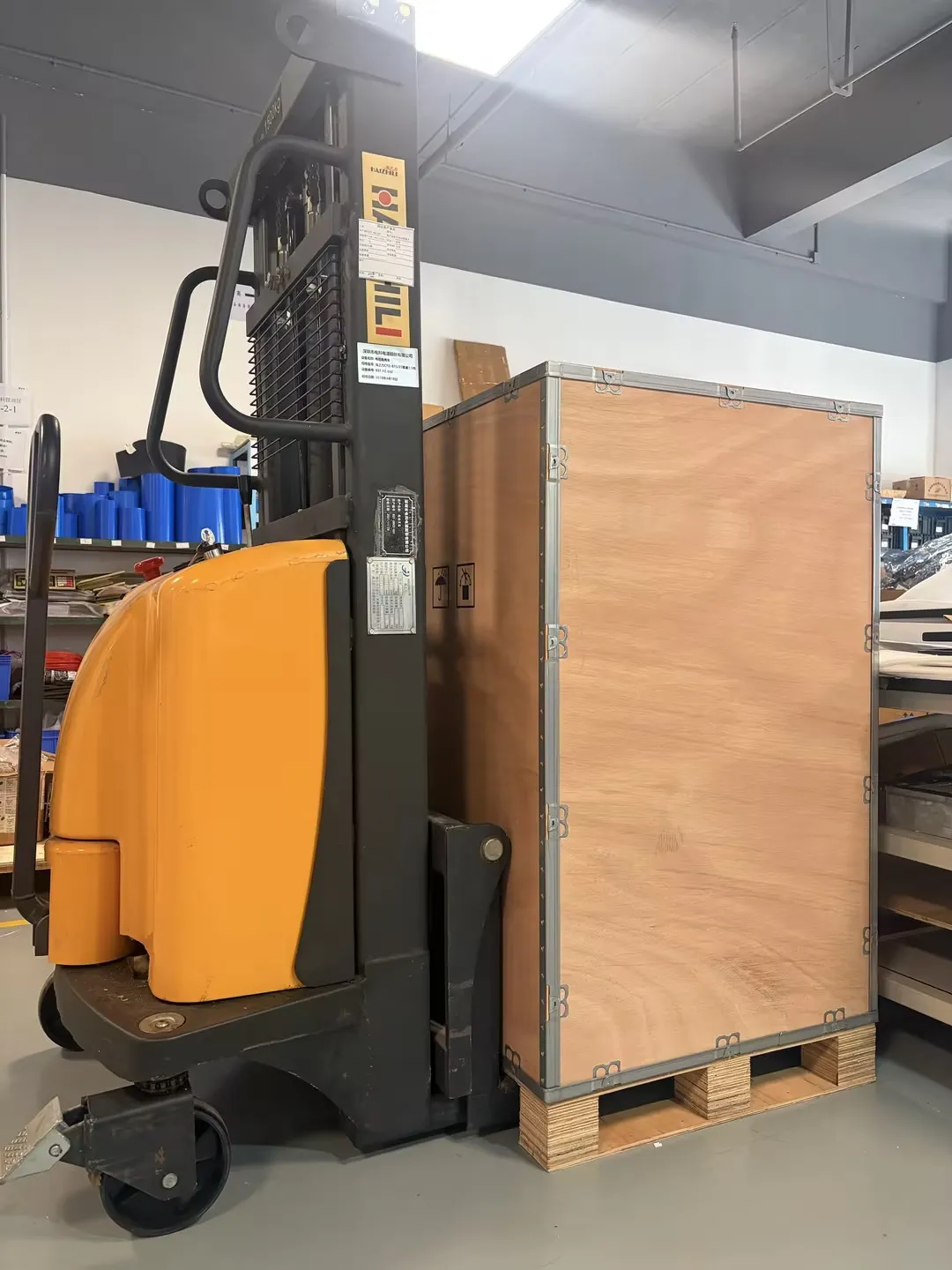
6. Scalable Battery Configuration for Future Requirements
Each system supports a specified maximum configuration of 15 compatible battery units, subject to the manufacturer's configuration and compatibility requirements.
This provides flexibility when evaluating future changes in energy storage demand.
However, battery expansion must be checked against the battery management system, inverter compatibility, communication interfaces, protection devices and the overall system design.
The project's two systems should also be evaluated individually when determining usable capacity and backup duration unless a compatible integrated operating arrangement has been specifically designed and validated.
For elevator applications, system sizing should consider both the energy required over the backup period and the instantaneous power required by the connected equipment.
Motor starting current and transient power demand may affect inverter selection even when the nominal battery capacity appears sufficient.
7. Supporting Commercial and Industrial Power Reliability in Tanzania
Tanzania's commercial buildings, industrial facilities and equipment operators may have different requirements for backup power depending on their electrical infrastructure, connected loads and operating conditions.
For elevator-related applications, a battery energy storage system can be evaluated as part of a broader power continuity strategy, providing an alternative source of electricity for compatible connected loads during utility interruptions.
BST Power's two-system configuration offers 122.8kWh of combined nominal battery storage and 72kW of combined inverter power ratings.
Its modular architecture and three-phase inverter configuration provide a technical basis for evaluating the system against the project's backup power requirements.
The same system architecture may also be considered for other compatible commercial and industrial loads, subject to application-specific engineering.
For installations in Tanzania, the final design should be reviewed against applicable local electrical requirements, protection arrangements, earthing requirements and the elevator manufacturer's specifications.
Where grid interaction is involved, relevant utility and installation requirements must also be assessed.
8. BST Power's Approach to Customized Industrial Energy Storage
This project demonstrates how battery storage capacity, inverter power and cabinet integration can be combined to address a specific commercial and industrial backup power application.
By supplying two 61.4kWh systems, BST Power provided a combined nominal battery capacity of 122.8kWh and a combined inverter power rating of 72kW.
The configuration integrates LiFePO₄ battery technology, three-phase inverter operation and modular equipment cabinets to support the project's elevator control cabinet backup power requirements.
The result is a configurable battery energy storage solution that can be assessed according to the site's electrical requirements, backup duration and future capacity needs.
For elevator equipment manufacturers, electrical contractors, control cabinet integrators and industrial energy storage partners, selecting the appropriate solution requires careful evaluation of connected loads,
inverter performance, battery capacity and applicable safety requirements.
Looking for a Customized Industrial Battery Energy Storage Solution?
BST Power develops battery energy storage solutions for commercial and industrial applications, with configurations tailored to project power requirements, battery capacity and installation conditions.
Whether you are planning an elevator backup power system, an industrial battery storage project or another application requiring customized energy storage integration,
BST Power can help evaluate the appropriate battery and inverter configuration.
Contact BST Power to discuss your next energy storage project.
Website: https://www.bstess.com/
Tanzania Project Case Study: BST Power Supplies a 122.8kWh Battery Energy Storage Solution for Elevator Control Cabinets
122.8kWh Total Battery Capacity | 72kW Combined Inverter Power | LiFePO₄ Battery Technology
BST Power supplied two battery energy storage systems for an elevator control cabinet application in Tanzania, providing a combined nominal battery capacity of 122.8kWh and a combined inverter power rating of 72kW.
Designed for commercial and industrial backup power applications, the project integrates 51.2V lithium iron phosphate (LiFePO₄) battery systems with three-phase inverter configurations.
The solution is designed to provide off-grid power to compatible connected equipment when the utility grid experiences abnormal conditions or a power outage.
By combining substantial battery storage capacity, coordinated inverter operation and modular cabinet design, BST Power provides a structured energy storage solution tailored to elevator-related electrical equipment and demanding backup power requirements.
1. Project Background: Reliable Backup Power for Elevator Control Cabinets
Elevator control cabinets are an important part of elevator electrical systems, supporting control and associated equipment functions.
An interruption to the normal power supply can affect elevator operation, making appropriate backup power arrangements an important consideration for building operators and equipment integrators.
For this project in Tanzania, BST Power supplied two energy storage systems designed to support the backup power requirements of compatible elevator-related loads.
The project configuration combines 122.8kWh of total nominal battery storage capacity with 72kW of combined inverter power.
The two systems provide a substantial battery-based power reserve that can be evaluated against the site's connected loads and required backup duration.
The solution was configured around several key requirements:
-
Power reliability: Provide three-phase off-grid power during grid abnormalities or power outages.
-
High energy capacity: Combine two 61.4kWh battery systems for 122.8kWh of total nominal storage capacity.
-
Three-phase power output: Use coordinated inverter units to establish a three-phase supply for compatible equipment.
-
Modular installation: Separate battery and inverter equipment into dedicated cabinets.
-
Flexible configuration: Support potential battery capacity expansion subject to system compatibility and electrical design requirements.
2. Project Specifications: Two Energy Storage Systems
Each system has a nominal battery capacity of 61.4kWh, an inverter power rating of 36kW and a nominal battery voltage of 51.2V.
With two systems supplied, the project has a combined nominal battery capacity of 122.8kWh and a combined inverter power rating of 72kW.
Key Technical Specifications
| Parameter | Per System | Two Systems Combined |
|---|---|---|
| Project location | Tanzania | Tanzania |
| Application | Elevator control cabinet backup power | Elevator control cabinet backup power |
| Number of systems | 1 | 2 |
| Nominal battery capacity | 61.4kWh | 122.8kWh |
| Inverter power rating | 36kW | 72kW combined |
| Nominal battery voltage | 51.2V | 51.2V per system |
| Battery chemistry | LiFePO₄ | LiFePO₄ |
| Battery model | MD-48100-AF | MD-48100-AF |
| Battery quantity | 12 units | 24 units |
| Inverter configuration | 3 × 12kW units | 6 × 12kW units |
| Battery cabinets | 3 | 6 |
| Inverter cabinets | 1 | 2 |
Each system uses three 12kW single-phase inverter units configured to operate as a three-phase system. The battery equipment is arranged in three battery cabinets, with the inverter equipment housed in a separate inverter cabinet.
The combined values above represent the sum of the two systems' individual ratings. They do not necessarily mean that both systems operate as one electrically interconnected 72kW system.
The actual operating arrangement depends on the site's electrical integration and system design.
Explore BST Power's 48V LiFePO₄ Battery Solutions
For projects requiring modular battery storage, BST Power also offers the MD48-100-3U 48V 100Ah rack-mounted LiFePO₄ battery.
With 5.12kWh of nominal energy per unit, intelligent BMS protection and RS485/CAN communication, it is designed for residential energy storage, backup power and selected small commercial applications.
Its rack-mounted design and support for parallel connection provide flexibility for compatible battery storage configurations.
Explore the BST Power MD48-100-3U 48V 5.12kWh LiFePO₄ Battery to learn more about its specifications and applications.
3. Three-Phase Inverter Configuration for Elevator Backup Applications
One of the key technical features of this project is the three-phase inverter configuration used in each energy storage system.
Each system consists of three 12kW single-phase inverter units operating in parallel to form a three-phase system.
The individual inverter units are assigned to phases L1, L2 and L3, while their parallel communication interfaces are interconnected to coordinate operation.
The system specification also includes dedicated electrical protection components, including integrated grid input circuit breakers within the inverter units, a three-phase input circuit breaker and a load output circuit breaker.
Neutral and protective earth connections are arranged through the designated terminal blocks.
When the utility grid experiences an abnormal condition or a power outage, each system is designed to provide three-phase off-grid output to compatible connected loads.
For elevator control cabinet applications, this configuration provides a potential backup power source for designated electrical equipment.
Before commissioning, the electrical design must be checked against the elevator system's rated power, motor starting current, transient loads, phase requirements and emergency operating sequence.
The combined inverter rating of 72kW represents the sum of the two systems' individual 36kW ratings.
Actual available output depends on whether the systems operate independently or are integrated into a coordinated electrical arrangement.
Battery backup also does not automatically guarantee elevator rescue or passenger evacuation functions.
Such functions require dedicated engineering and verification against the elevator manufacturer's requirements and applicable safety regulations.
4. LiFePO₄ Battery Technology for Safety and Durability
Battery safety and service life are important considerations for commercial and industrial energy storage applications.
Both systems use lithium iron phosphate (LiFePO₄) battery technology. LiFePO₄ is widely used in stationary energy storage because of its suitability for repeated cycling and its thermal stability characteristics.
According to the supplied product specifications, the battery cells undergo safety tests including burning, extrusion, impact, puncture and overcharge testing.
The specified design life is eight years, with capacity retention above 70% after 3,000 effective cycles under the defined test conditions.
These specifications provide a reference for evaluating the expected service life of the battery systems.
Actual performance depends on operating temperature, charge and discharge rates, depth of discharge, installation conditions and maintenance practices.
For this project, the combined 122.8kWh nominal storage capacity provides a substantial energy reserve for evaluating backup requirements.
The usable energy and actual backup duration must be determined according to the connected load and the battery system's operating limits.
5. Modular Cabinet Design for Installation and Maintenance
The two systems use a cabinet-based architecture that separates battery storage equipment from inverter equipment.
Each system includes three battery cabinets and one inverter cabinet. Across both systems, the specified configuration comprises six battery cabinets and two inverter cabinets.
The battery cabinets measure 600 × 600 × 1,000mm, while each inverter cabinet measures 600 × 800 × 1,000mm.
This arrangement provides several practical benefits for project integration:
Organized equipment layout: Dedicated battery and inverter cabinets help keep the main equipment sections clearly arranged.
Installation flexibility: The cabinet configuration can be planned according to the site's available space, electrical connections and access requirements.
Maintenance accessibility: Separating battery and inverter equipment can support inspection and servicing, subject to the final installation layout.
System configuration flexibility: The modular architecture allows engineers to assess changes in battery capacity or system arrangement against future project requirements.
Installation planning should account for appropriate clearances, ventilation, thermal management, cable routing, electrical protection, earthing and applicable local safety requirements.
6. Scalable Battery Configuration for Future Requirements
Each system supports a specified maximum configuration of 15 compatible battery units, subject to the manufacturer's configuration and compatibility requirements.
This provides flexibility when evaluating future changes in energy storage demand.
However, battery expansion must be checked against the battery management system, inverter compatibility, communication interfaces, protection devices and the overall system design.
The project's two systems should also be evaluated individually when determining usable capacity and backup duration unless a compatible integrated operating arrangement has been specifically designed and validated.
For elevator applications, system sizing should consider both the energy required over the backup period and the instantaneous power required by the connected equipment.
Motor starting current and transient power demand may affect inverter selection even when the nominal battery capacity appears sufficient.
7. Supporting Commercial and Industrial Power Reliability in Tanzania
Tanzania's commercial buildings, industrial facilities and equipment operators may have different requirements for backup power depending on their electrical infrastructure, connected loads and operating conditions.
For elevator-related applications, a battery energy storage system can be evaluated as part of a broader power continuity strategy, providing an alternative source of electricity for compatible connected loads during utility interruptions.
BST Power's two-system configuration offers 122.8kWh of combined nominal battery storage and 72kW of combined inverter power ratings.
Its modular architecture and three-phase inverter configuration provide a technical basis for evaluating the system against the project's backup power requirements.
The same system architecture may also be considered for other compatible commercial and industrial loads, subject to application-specific engineering.
For installations in Tanzania, the final design should be reviewed against applicable local electrical requirements, protection arrangements, earthing requirements and the elevator manufacturer's specifications.
Where grid interaction is involved, relevant utility and installation requirements must also be assessed.
8. BST Power's Approach to Customized Industrial Energy Storage
This project demonstrates how battery storage capacity, inverter power and cabinet integration can be combined to address a specific commercial and industrial backup power application.
By supplying two 61.4kWh systems, BST Power provided a combined nominal battery capacity of 122.8kWh and a combined inverter power rating of 72kW.
The configuration integrates LiFePO₄ battery technology, three-phase inverter operation and modular equipment cabinets to support the project's elevator control cabinet backup power requirements.
The result is a configurable battery energy storage solution that can be assessed according to the site's electrical requirements, backup duration and future capacity needs.
For elevator equipment manufacturers, electrical contractors, control cabinet integrators and industrial energy storage partners, selecting the appropriate solution requires careful evaluation of connected loads,
inverter performance, battery capacity and applicable safety requirements.
Looking for a Customized Industrial Battery Energy Storage Solution?
BST Power develops battery energy storage solutions for commercial and industrial applications, with configurations tailored to project power requirements, battery capacity and installation conditions.
Whether you are planning an elevator backup power system, an industrial battery storage project or another application requiring customized energy storage integration,
BST Power can help evaluate the appropriate battery and inverter configuration.
Contact BST Power to discuss your next energy storage project.
Website: https://www.bstess.com/
Previous: NO MORE

Copyright © 2026 BST POWER. All rights reserved.